
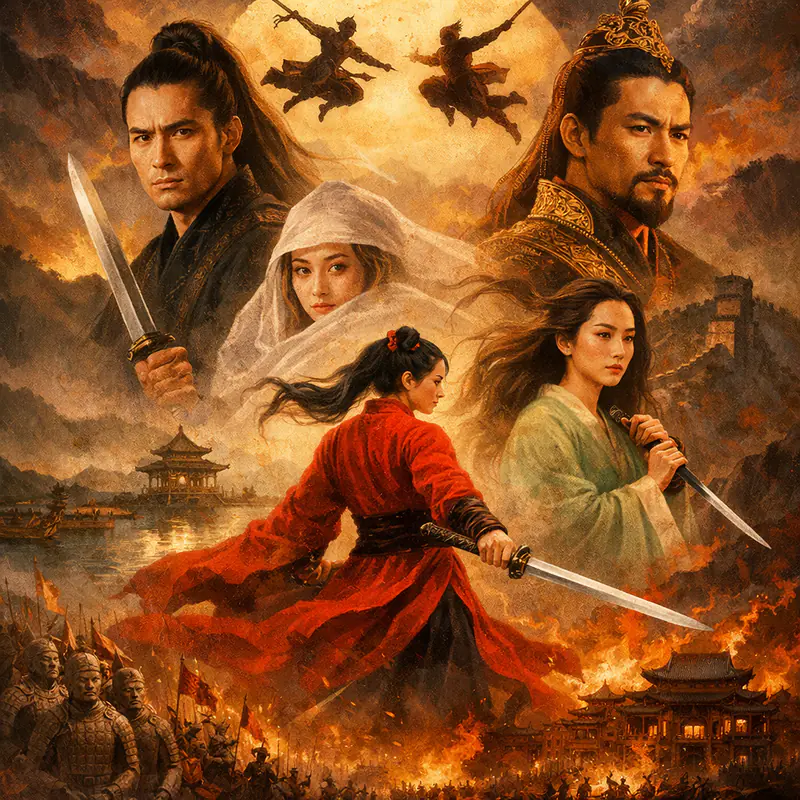
Introduction
The film "Hero" is a cinematic masterpiece that perfectly blends the art of storytelling with captivating visuals and compelling performances. This article aims to dissect the components that make "Hero" an exceptional film, exploring its narrative structure, cinematography, performances, and cultural significance. In doing so, we hope to provide a comprehensive understanding of the artistry that has made "Hero" an enduring classic in the realm of cinema.
The Narrative Structure
"Hero" is a film that masterfully uses a Rashomon-style narrative structure, presenting different versions of the same events from different perspectives. This non-linear storytelling style leaves audiences constantly questioning the truth, adding a layer of intrigue to the plot. For instance, the scene where Nameless and Sky duel each other is depicted differently in each version, altering both the motive and outcome of the fight. This narrative technique not only engages viewers but also reflects the film's central theme of subjective truth.
The film's narrative also uses color-coding to differentiate between the different versions of events. Each tale has its own distinct color palette, subtly influencing the audience's emotional response to the scenes. For example, the red sequence is filled with passion and betrayal, while the blue sequence evokes a sense of tranquillity and melancholy. This innovative use of color adds depth to the narrative, enhancing the emotional impact of each sequence.
The Cinematography
The cinematography in "Hero" is nothing short of breathtaking, with every shot carefully composed to create a visual spectacle. Director Zhang Yimou and cinematographer Christopher Doyle have created a film that is as much a visual poem as it is a narrative. Take, for example, the fight scene between Flying Snow and Moon in the golden forest. The swirling leaves, the flowing costumes, and the balletic movements of the fighters create an ethereal, dream-like quality that is simply mesmerizing.
Furthermore, the film uses the landscape as a character in itself, with the vast deserts, lush forests, and grand palaces providing a majestic backdrop to the story. The stark contrast between the vastness of the landscape and the individual characters serves to emphasize the themes of sacrifice and the greater good that underpin the narrative.
The Performances
"Hero" boasts a stellar cast, including Jet Li, Tony Leung, Maggie Cheung, and Zhang Ziyi, each delivering performances that breathe life into their characters. Jet Li's portrayal of Nameless is particularly notable, capturing the character's stoicism, cunning, and deep-seated sense of honor. Likewise, Maggie Cheung and Tony Leung's performances as Flying Snow and Broken Sword are both heart-wrenching and captivating, embodying the tragic love story at the heart of the film.
The fight sequences, choreographed by the legendary Ching Siu-Tung, are also worth mentioning. They are not just displays of martial arts prowess but are laden with emotional intensity, revealing character motivations and deepening the plot. The duel between Nameless and Broken Sword in the chess court, for instance, is as much a battle of wits and philosophies as it is a physical fight.
The Cultural Significance
"Hero" is deeply rooted in Chinese history and culture, and it serves as a cinematic representation of the country's traditional values and philosophies. The film explores the Confucian concept of "Tianxia" or "All Under Heaven", reflecting on the idea of unity and peace under a single ruler. It also delves into the Taoist philosophy of non-action, emphasizing the power of restraint over action.
Moreover, the film's emphasis on calligraphy underscores the importance of this art form in Chinese culture. The scene where Broken Sword writes the character for 'sword' in the sand is particularly emblematic, signifying the fusion of martial arts and calligraphy, and the quest for harmony and understanding.
Conclusion
"Hero" is a testament to the power of cinema, marrying compelling storytelling with stunning visuals and powerful performances. Its narrative structure, cinematography, performances, and cultural significance all contribute to its status as a cinematic masterpiece. The film serves as a brilliant example of how cinema can transcend cultural barriers and resonate with audiences worldwide, making it a timeless classic in the realm of film.
CATEGORY ASSIGNMENT: Entertainment